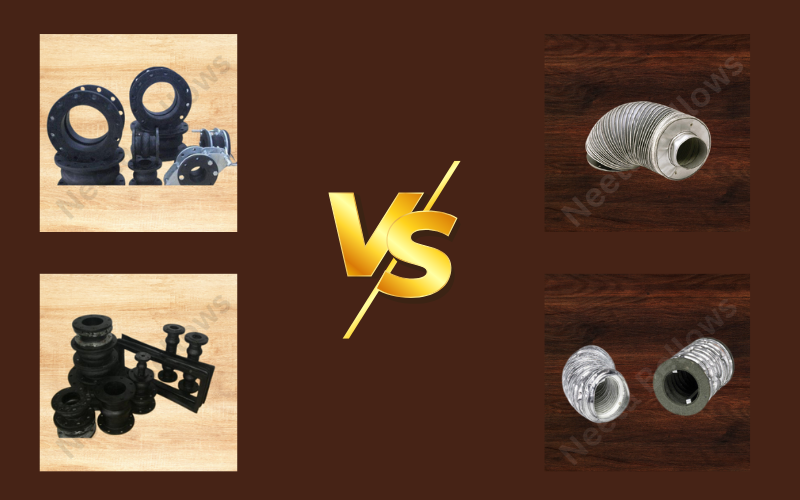

Rubber Bellows vs Fabric Bellows: Which Is Right for Your Industrial Application?
Industrial machinery often contains moving components that require protection from dust, dirt, moisture, heat and other environmental conditions. At the same time, the protective component must accommodate the movement of the machine without interfering with its operation.
This is where industrial bellows can play an important role.
Rubber bellows and fabric bellows are two commonly considered solutions for industrial protection. However, they are not interchangeable in every application. Their material construction, flexibility, environmental resistance and application requirements can differ.
Understanding these differences can help engineers, maintenance teams and procurement professionals identify the type of bellows that is appropriate for their equipment.
Neeta Bellows India offers different bellows solutions, including rubber and fabric bellows, for industrial applications requiring component protection and flexible movement.
What Are Industrial Bellows?
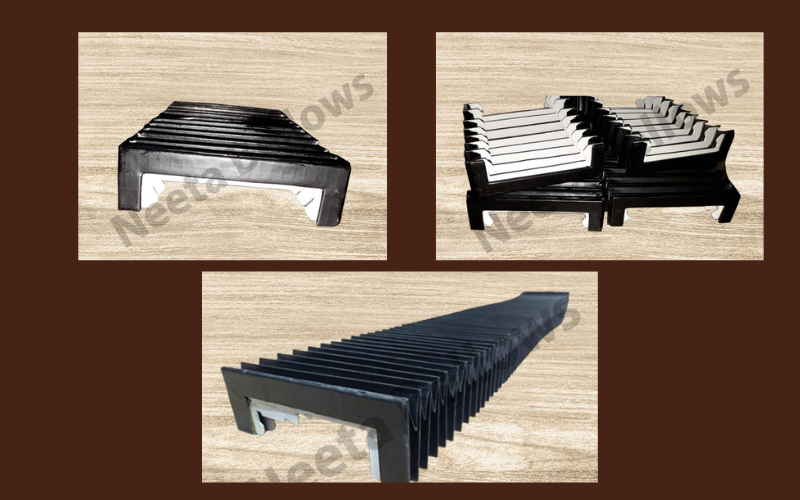
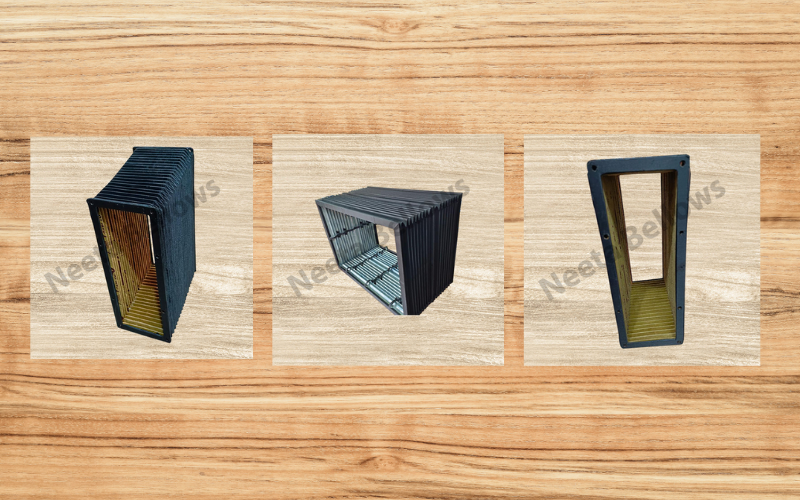
Industrial bellows are flexible protective components designed to cover and protect moving or sensitive machine components.
Depending on their construction and application, bellows can be used to protect:
- Hydraulic cylinders
- Pneumatic cylinders
- Shafts
- Guideways
- Machine components
- Moving mechanical assemblies
- Industrial equipment
A suitable bellows can help prevent contaminants from reaching protected components while allowing the machinery to continue its required movement.
The correct design depends on the machine configuration, movement, dimensions and operating environment.
What Are Rubber Bellows?
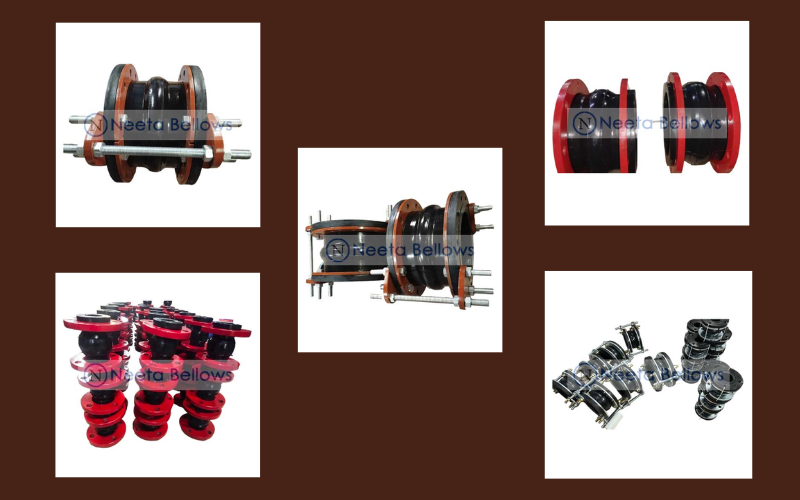
Rubber bellows are flexible protective components manufactured using suitable elastomeric materials. The material can be selected according to the conditions in which the bellows will operate.
Neeta Bellows India’s rubber-bellows range includes materials such as:
- Hypalon
- Silicone
- Neoprene
- EPDM
- Butyl
- Industrial rubber compounds
Different rubber materials can have different characteristics, so the selection should be based on the actual application rather than simply choosing a general-purpose rubber bellows.
What Are Fabric Bellows?
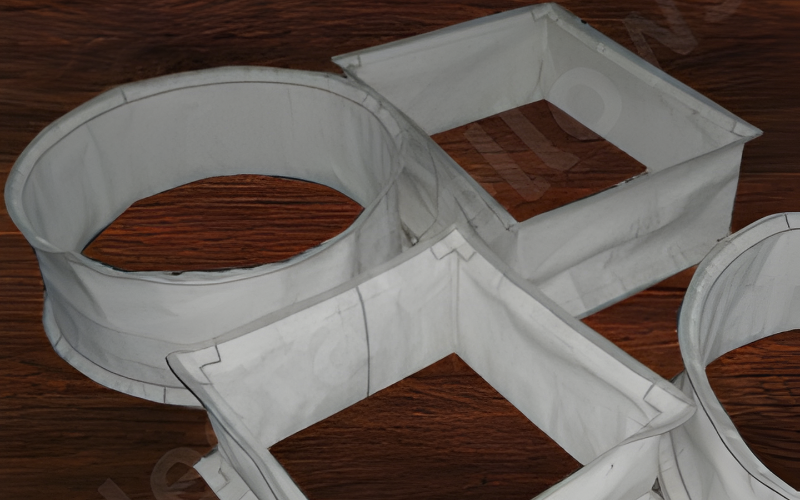
Fabric bellows use flexible fabric-based construction and can be designed for applications where a lightweight and adaptable protective solution is required.
Neeta Bellows India lists several fabric-bellows options, including:
- High-temperature fabric bellows
- Ceramic fabric bellows
- Rubber-coated fabric bellows
- Glass fabric bellows
- Canvas fabric bellows
The appropriate construction depends on factors such as temperature, movement, environmental exposure and the component being protected.
Rubber Bellows vs Fabric Bellows
The primary difference between rubber and fabric bellows is their material construction and the way that construction suits different operating conditions.
| Factor | Rubber Bellows | Fabric Bellows |
|---|---|---|
| Construction | Elastomeric material | Fabric-based construction |
| Flexibility | Suitable for flexible protective applications | Suitable for applications requiring flexible fabric construction |
| Material Options | Silicone, EPDM, Neoprene, Hypalon, Butyl and other compounds | Canvas, glass fabric, ceramic and coated fabrics |
| Temperature Considerations | Depends on the selected rubber compound | Depends on the selected fabric and coating |
| Applications | Machine and component protection | Machine protection and specialised environments |
| Customisation | Depends on the application and design | Depends on the application and design |
| Selection Basis | Material, dimensions and operating conditions | Fabric, coating, temperature and movement |
The table provides a general comparison. The actual suitability of a bellows should always be confirmed against the specific operating conditions.
When Should You Consider Rubber Bellows?
Rubber bellows can be considered where the application requires a flexible elastomeric protective cover.
They may be suitable for protecting moving components in:
- Hydraulic equipment
- Pneumatic equipment
- Industrial machinery
- Mechanical assemblies
- Moving shafts
- Cylinders
However, the specific rubber compound should be selected according to the environment.
Silicone Rubber Bellows
Silicone can be considered for applications where the operating conditions require a material with suitable temperature characteristics. The actual temperature range and compatibility should be confirmed for the specific product.
Neoprene Bellows
Neoprene-based bellows can be considered for industrial applications where the material characteristics of neoprene are appropriate.
EPDM Bellows
EPDM is another material option available for rubber bellows. Its suitability should be evaluated according to the application, environment and substances to which the bellows may be exposed.
Hypalon and Butyl Bellows
Hypalon and butyl are also among the materials listed for Neeta Bellows India’s rubber-bellows range. The appropriate material depends on the application’s environmental and mechanical requirements.
When Should You Consider Fabric Bellows?
Fabric bellows can be considered where fabric construction provides the characteristics required by the application. They can be useful when the machinery requires protection while accommodating repeated movement.
Depending on construction, fabric bellows may be considered for applications involving:
- High-temperature environments
- Industrial machinery
- Moving components
- Specialised equipment
- Mechanical protection
The fabric type and coating should be selected according to the operating conditions.
Temperature Is an Important Selection Factor
Temperature is one of the key factors when selecting bellows. The material must be appropriate for the temperatures encountered during normal machine operation.
For applications involving elevated temperatures, it is important to communicate:
- Normal operating temperature
- Maximum temperature
- Duration of exposure
- Heat sources near the bellows
- Whether temperature fluctuates during operation
For high-temperature applications, Neeta Bellows India’s range includes high-temperature fabric bellows and other specialised fabric constructions.
Consider the Type of Movement
Bellows are installed around moving machine components, so movement is central to their design.
Before selecting a bellows, determine:
- Direction of movement
- Amount of movement
- Frequency of movement
- Compressed length
- Extended length
- Available installation space
A bellows that is too short, too long or incorrectly configured can interfere with the machine’s movement.
Dimensions and Installation Space
Accurate dimensions are essential when ordering custom or replacement bellows.
Depending on the application, relevant dimensions can include:
- Internal diameter
- External diameter
- Overall length
- Compressed length
- Extended length
- Mounting dimensions
- Connection dimensions
Providing a drawing or sample of the existing bellows can help the manufacturer understand the required configuration.
Environmental Conditions Matter
The operating environment should also be considered when selecting industrial bellows.
Determine whether the bellows will be exposed to:
- Dust
- Water
- Oil
- Chemicals
- Heat
- Abrasion
- Outdoor conditions
- Industrial contaminants
The selected material and construction should be compatible with these conditions.
Custom Industrial Bellows
Industrial machinery does not always use standard dimensions. Custom bellows may be required when the machine has specific dimensional or movement requirements.
When requesting a custom bellows, provide as much information as possible, including:
- Application details
- Component being protected
- Internal and external dimensions
- Minimum and maximum length
- Type of movement
- Operating temperature
- Environmental conditions
- Material preference, if known
- Drawing or sample
- Quantity required
This information allows the manufacturer to evaluate the application more effectively.
Common Applications of Industrial Bellows
Industrial bellows can be used in various sectors and equipment configurations.
Applications may include:
- Hydraulic and pneumatic systems
- Machine tools
- Industrial machinery
- Mechanical equipment
- Electrical equipment
- Food-processing equipment
- Plastics machinery
- Cement-related equipment
- Scientific equipment
The exact bellows design should be selected according to the equipment and operating conditions.
How to Choose Between Rubber and Fabric Bellows
A practical selection process can begin with five questions.
1. What Component Needs Protection?
Identify the shaft, cylinder, guideway or moving component that needs to be covered.
2. What Type of Movement Occurs?
Determine how far and how frequently the component moves.
3. What Environmental Conditions Exist?
Identify temperature, moisture, dust, chemicals, oil and other exposure factors.
4. What Material Characteristics Are Required?
Based on the operating conditions, determine whether a particular rubber or fabric construction is appropriate.
5. Is a Standard or Custom Design Required?
If standard dimensions do not fit the machine, provide drawings or samples for a customised solution.
Conclusion
Choosing between rubber bellows and fabric bellows requires careful consideration of material properties, operating temperature, movement, dimensions and environmental exposure. Both options can provide effective protection when the design is suitable for the intended application.
Neeta Bellows India offers rubber and fabric bellows solutions for industrial equipment requiring flexible component protection. By sharing your application details, dimensions and operating conditions, you can identify a suitable bellows configuration for your machinery.
Frequently Asked Questions
Rubber bellows use elastomeric materials, while fabric bellows use fabric-based constructions. The appropriate option depends on movement, temperature, environmental conditions and machine requirements.
Rubber bellows can be used for protecting components in hydraulic applications, subject to suitable material selection and application requirements.
Neeta Bellows India lists Hypalon, silicone, neoprene, EPDM, butyl and other industrial rubber compounds within its rubber-bellows range.
The company’s fabric-bellows range includes high-temperature, ceramic, rubber-coated, glass and canvas fabric bellows.
Customisation may be required when the equipment has specific dimensions, movement or environmental requirements. Drawings, samples and application details can help determine the required construction.