
Introduction
Canvas fabric bellows are engineered protective covers widely used to safeguard critical machine components from contaminants such as dust, debris, coolant splashes, and environmental exposure. Designed for flexibility and durability, these bellows provide essential protection in industrial environments where precision, uptime, and equipment reliability are paramount.
From CNC machines and automated systems to fabrication lines and robotic assemblies, canvas fabric bellows help extend equipment life, reduce maintenance costs, and improve workplace safety.
What Are Canvas Fabric Bellows?
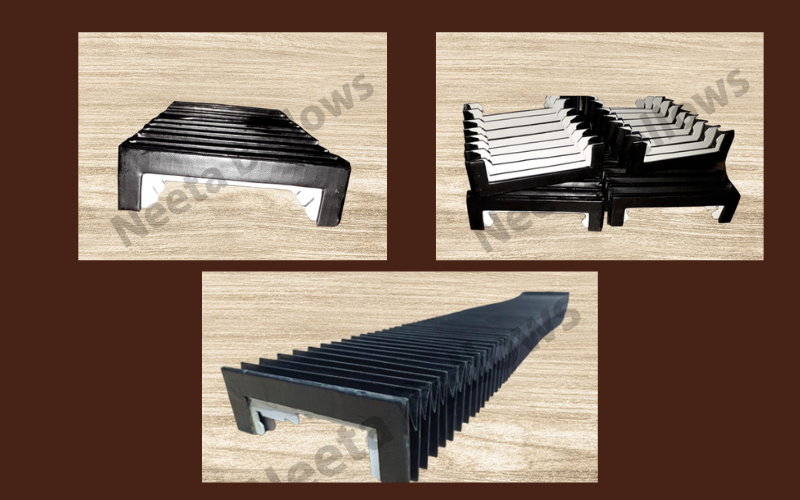
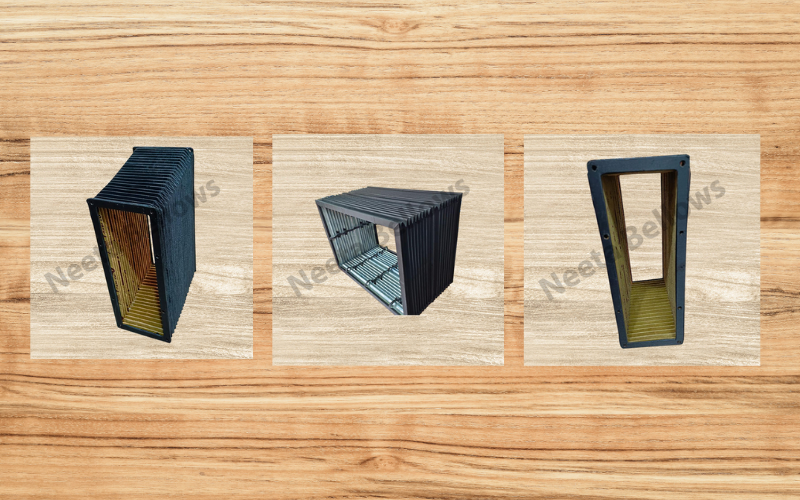
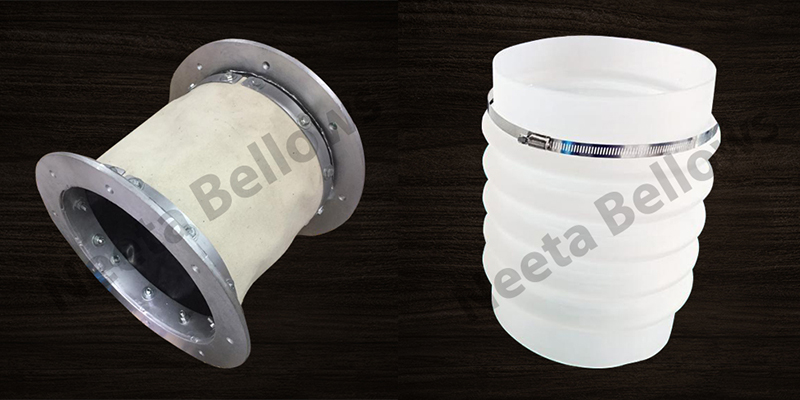
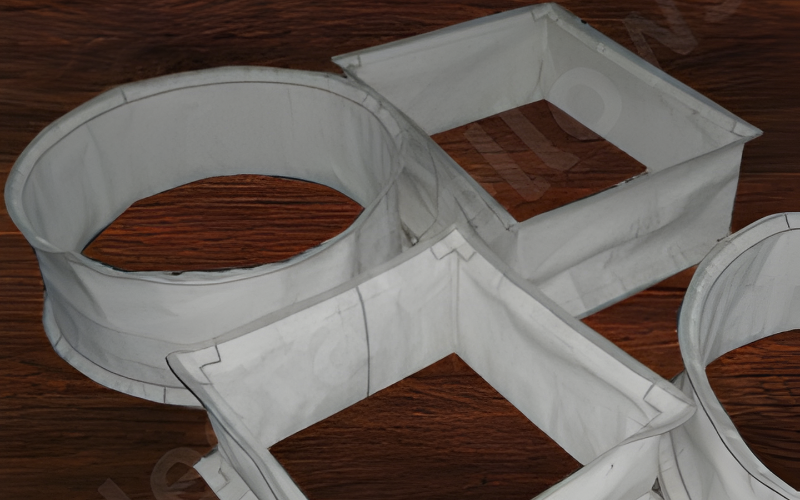
Canvas fabric bellows are flexible, accordion-style protective covers made from high-performance canvas materials. These materials are treated or laminated to resist wear, moisture, heat, and chemicals. Canvas bellows expand and contract with machine movement, providing a seal that prevents foreign materials from entering critical mechanical assemblies.
Unlike rigid covers, canvas fabric bellows adapt to motion in multiple axes while maintaining protection against particulate ingress.
Why Industrial Protection Is Critical
Industrial environments feature a wide range of operation conditions that can compromise machine components:
- Machining chips and metal shavings
- Coolant spray and lubricant mist
- Abrasive dust from grinding and sanding
- Heat and thermal fluctuations
- Humidity and moisture
Without effective protection, these contaminants can infiltrate guideways, spindles, lead screws, bearings, and hydraulic components—leading to increased wear, reduced precision, and costly downtime.
Canvas fabric bellows act as a barrier, shielding sensitive components while accommodating motion and maintaining performance.
Key Benefits of Canvas Fabric Bellows
1. Enhanced Machinery Life
By preventing contamination from entering vulnerable components, canvas fabric bellows help reduce wear and tear, significantly extending machinery service life.
2. Flexible and Reliable Operation
These bellows expand, contract, and flex with moving parts, making them ideal for applications involving linear, rotary, and multi-axis motion.
3. Customizable to Fit Specific Needs
Canvas fabric bellows can be tailored to match unique machine geometries, travel lengths, and environmental conditions—ensuring a precise fit and optimal protection.
4. Low Maintenance Requirements
Compared to rigid covers, canvas fabric bellows require minimal lubrication and are easier to maintain, reducing overall downtime.
5. Cost-Effective Protection
Their durability and adaptability make canvas fabric bellows an economical solution for safeguarding valuable industrial equipment.
Typical Industrial Applications
Canvas fabric bellows are used in a variety of industrial scenarios:
CNC and Machine Tools
Protecting guideways, ball screws, spindle shafts, and feed mechanisms from chips, coolant, and debris generated during cutting, milling, turning, and grinding operations.
Automated Systems and Robotics
Shielding linear actuators, rotary joints, and robotic links from environmental contaminants in assembly lines and automation cells.
Automation and Robotics
Shields drive shafts and carousel systems in automated assembly and handling units.
Presses and Fabrication Equipment
Protecting hydraulic and mechanical linkages in stamping presses, sheet metal machinery, and punch & die setups.
Material Handling Systems
Covering conveyors, slides, and transfer mechanisms in bulk material processing environments.
Printing and Textile Machinery
Guarding rollers, shafts, and motion components from dust, fibers, and particulate exposure.
In each of these applications, canvas fabric bellows contribute to improved reliability and machine uptime while enabling consistent production quality.
Materials and Design Considerations
Canvas fabric bellows are constructed from specialty canvas materials that may include:
- Treated canvas: For abrasion and wear resistance
- Laminated canvas: Offering moisture and chemical resistance
- Reinforced canvas: For enhanced durability in heavy wear environments
Key design considerations include:
Custom Solutions and Precision Engineering
Standard canvas bellows may not fit all machines, especially when travel ranges, geometry, or contaminant loads vary. Neeta Bellows India specializes in custom-designed canvas fabric bellows engineered to exact specifications.
By working closely with industrial customers, Neeta Bellows India assesses:
- Machine geometry and motion patterns
- Environmental and contaminant challenges
- Service conditions such as temperature and chemical exposure
This customer-centric approach ensures that each bellows solution is optimized for performance, durability, and maintenance ease.
Installation and Maintenance Best Practices
To maximize the service life of canvas fabric bellows:
- Ensure proper alignment with moving parts
- Avoid twisting, kinked folds, or misalignment
- Inspect periodically for wear, seam breaks, or fraying
- Replace damaged sections promptly
Routine inspection and preventive maintenance help avoid secondary damage to machine components.
Benefits to Industrial Operations
Reduced Downtime
Canvas fabric bellows prevent contamination-related failures, lowering the frequency of unexpected repairs.
Improved Precision
With contaminants kept out of precision components, machines maintain accuracy and performance over time.
Lower Lifecycle Costs
Protecting components reduces wear, extending part life and saving on replacement costs.
Greater Workplace Safety
By keeping debris and fluids contained, bellows help maintain safer operating environments.
Conclusion
Canvas fabric bellows are essential protective solutions for industrial motion systems exposed to harsh environments, contaminants, and continuous movement. Their flexibility, durability, and customizability make them ideal for safeguarding guideways, spindles, shafts, and other precision elements across a wide range of industries.
With custom engineering expertise and tailored solutions, Neeta Bellows India delivers canvas fabric bellows that meet your specific operational needs—enhancing machine protection, reducing maintenance, and improving long-term performance in demanding industrial environments.